
January Staff Picks
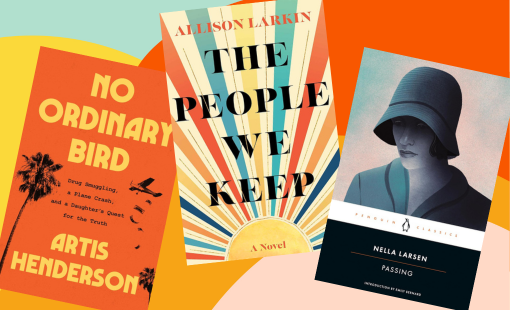
Welcome to 2026! Start the new year off strong with this month’s staff picks.
In need of more recommendations? Check out past Staff Picks on our What We’re Reading page, or complete a short form and we’ll email you a list of personalized recommendations.

Jill says:
“Captivating and devastating in equal measure, Artis Henderson’s No Ordinary Bird tells the astonishing true story of the author’s father, a skilled pilot who courted danger as a drug smuggler. Henderson traces her family’s rise from a struggling, working-class life marked by heartbreak and near-constant uncertainty to a glittering existence of private planes, island homes, and a lavish retreat in the Georgia mountains. However, every luxury is shadowed by her father’s entanglement with drug cartels – and, perhaps, the FBI. As Henderson pieces together her family’s past, she leads readers toward the night and flight when everything changed. No Ordinary Bird is a haunting excavation of family mythology, loyalty, and the cost of secrets.”
Kady says:
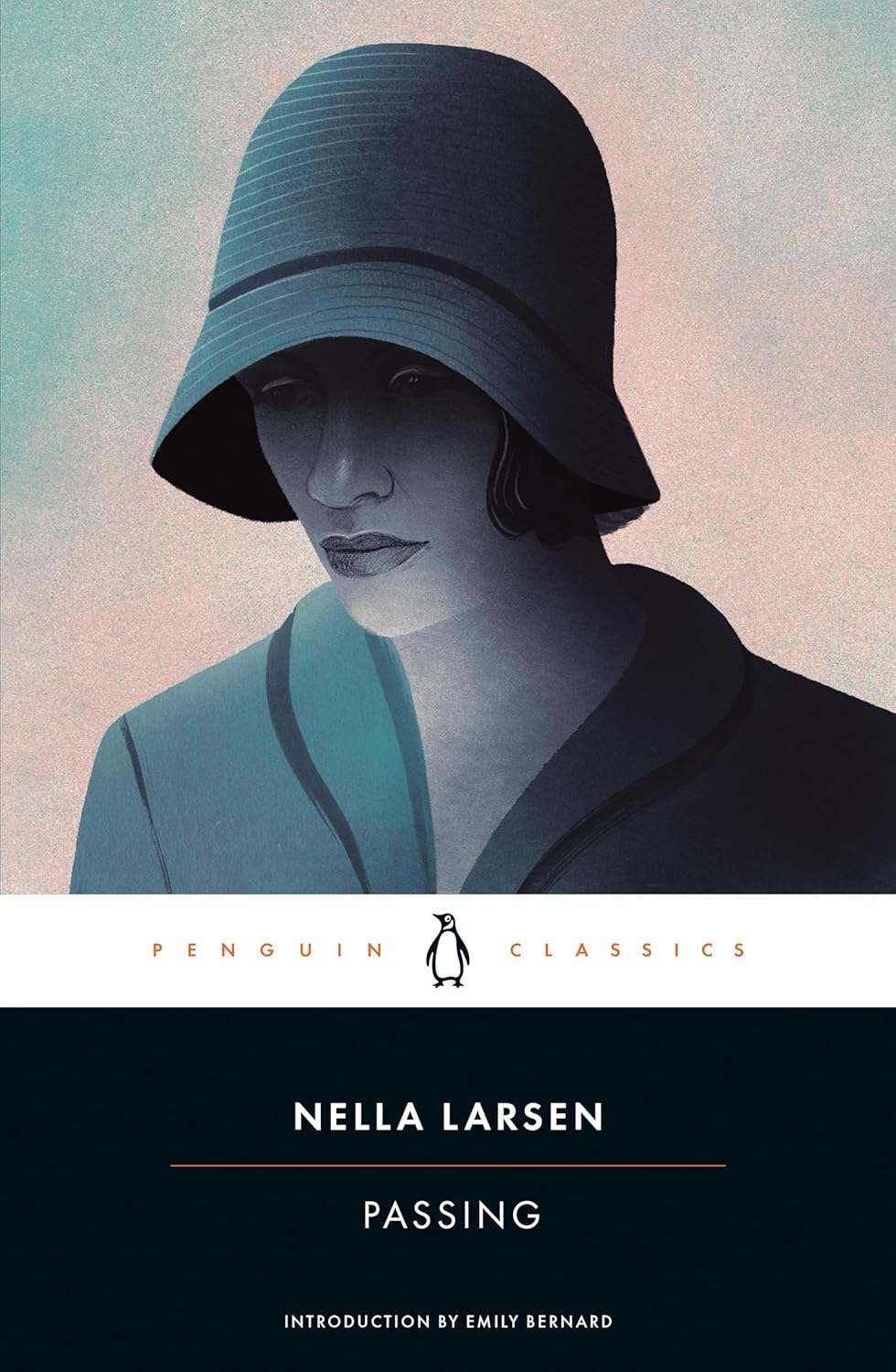
“Originally published in 1929, Passing is the story of two light-skinned Black women. One has remained in the Black community, while the other is passing as a white woman and is married to a white man who has no idea about her past or racial heritage. Altogether, it’s fewer than 100 pages of conversation and societal niceties in living rooms, at restaurant counters, and in the occasional ball room. Almost nothing actually happens, but about halfway through, the tension starts to ratchet up, and by the end, you’re on the edge of your seat as the book winds its way to its inevitable conclusion. Almost a century after publication, Passing remains a stellar example of economical plotting and tight pacing, with not a word wasted or out of place.”
Allison says:
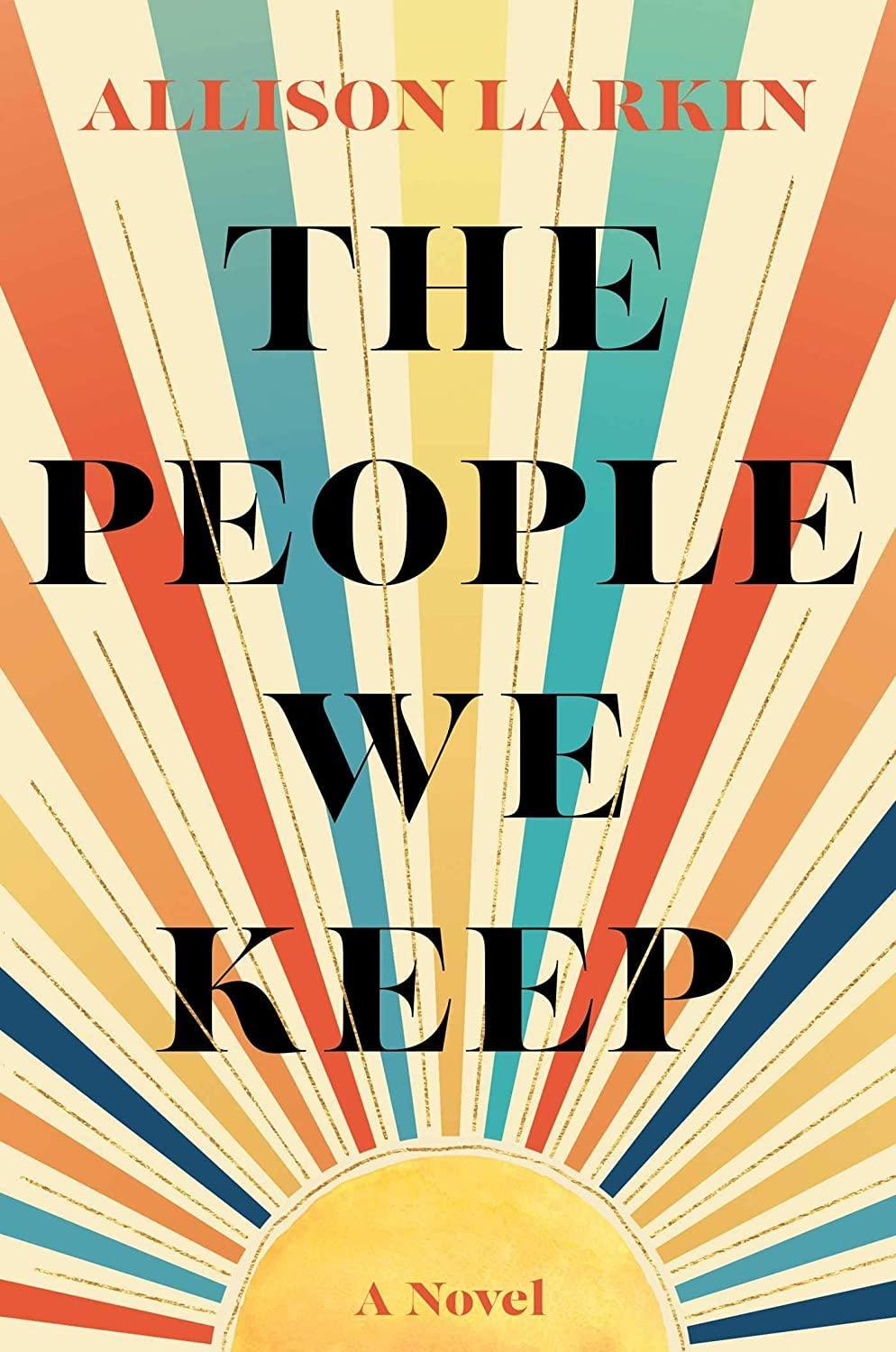
“I didn’t expect this book to impact me as much as it did. It’s about April, a young woman who grows up feeling unwanted and ends up on the road, trying to figure out who she is and where she belongs. It’s less about the places she goes and more about the people who shape her along the way. What I loved most was how real it felt. April isn’t perfect, and her healing isn’t quick or easy. The painful moments honestly made me like the story more. The found-family relationships, the friendships, and the role music plays in her life all felt genuine. This is an emotional read that touches on some heavy topics, but it’s also warm and hopeful in a quiet way. If you like character-driven stories about belonging, growth, and finding your people, I’d definitely recommend this one.”